
All Program Events

Salish Sea – #RedRoadtoDC

We invite you to join the House of Tears Carvers and our partners for the launch of “The Red Road to DC: A Totem Pole Journey for the Protection of Sacred Places” — a touring series of ceremonies, public events, media projects, and campaigns culminating in a rally on the National Mall and an exhibition at the Smithsonian National Museum of the American Indian.

read more...
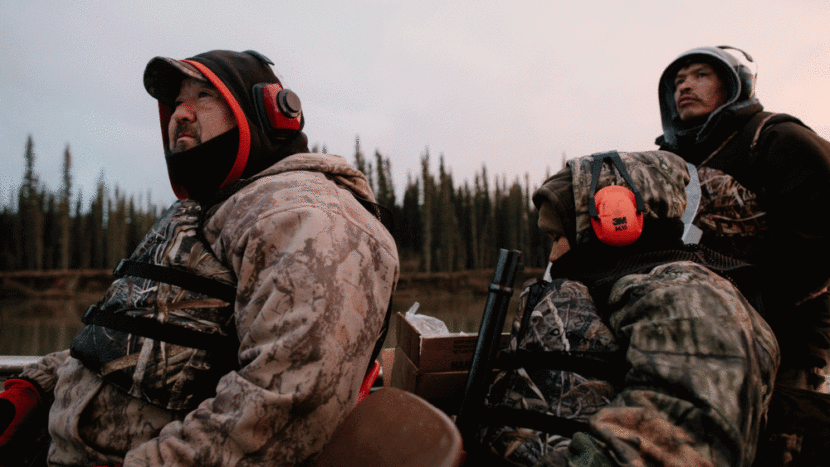
From Gwichyaa Zhee To Bears Ears: Solidarity Against Extraction – #RedRoadtoDC

From the Arctic National Wildlife Refuge to Bears Ears National Monument, sacred Indigenous lands across the country are in the sightlines of oil companies, whose relentless pursuit of new oil and gas reserves endanger the traditions, ways of life, and religious practices of local communities.

read more...

Black Hills – #RedRoadtoDC

The Black Hills were the casualty of one of the most blatant land grabs in U.S. history and continue to be the site of a legal and political confrontation. To the Lakota, they are Paha Sapa, ‘the heart of everything that is.’ “Colonization is the oldest form of white supremacy, and America is being called out and called up to acknowledge that. Mount Rushmore is yet another symbol of white supremacy and colonization, and until it is returned to the Lakota, we will continue to oppose it and fight for justice.”

read more...

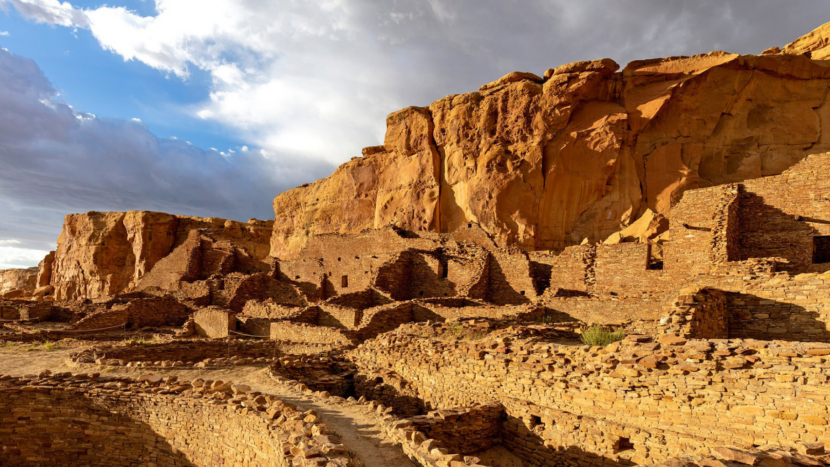
Chaco Canyon – #RedRoadtoDC

Chaco Canyon is culturally significant to the Navajo, Hopi, Apache, Zuni, Ute, and Pueblo peoples. While ancient sites, kivas, and great houses inside the park’s boundaries are protected, the overwhelming majority of Greater Chaco lands administered by the Bureau of Land Management (BLM) are leased for oil and gas development — impacting the sacred landscape, air, people, and the living culture of the region.

read more...

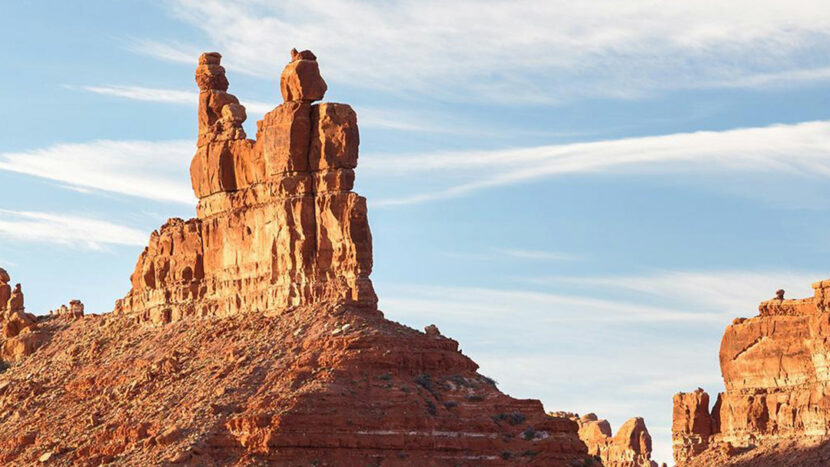
Bears Ears – #RedRoadtoDC

Monument designation of Bears Ears will be the first step in righting the wrongs of the past and halting the continued destruction. Ecological resilience is strongest in places that are the least disturbed and most biodiverse. Bears Ears is a resilient landscape. Navajo people have a term for such places of ecological rejuvenation: we call them Nahodishgish, or “places to be left alone.” Bears Ears is one such place, where healing of the earth can begin

read more...